Introduction
In today's fast-paced globe, deadly emergency situations can strike anytime. Whether you're a health care expert, an instructor, or merely someone that wishes to make a distinction, having Basic Life Support (BLS) certification is vital. This certification empowers individuals with the skills and knowledge essential to act quickly and successfully in emergency circumstances. In this comprehensive guide, we'll cover every little thing you require to find out about getting your BLS qualification, from understanding fundamental vs innovative life support to mastering public defibrillator usage.
Your Course to BLS Accreditation: What You Need to Know
Understanding BLS Certification
BLS qualification is a program made for nonprofessionals and professionals alike that shows essential techniques for responding to cardiac arrest and other emergencies. It incorporates identifying signs, performing mouth-to-mouth resuscitation (cardiopulmonary resuscitation), utilizing an Automated External Defibrillator (AED), and understanding hospital codes and protocols.
Who Ought to Obtain Certified?
Anyone can benefit from BLS qualification; nonetheless, it is especially important for:
- Healthcare providers Emergency responders Educators Caregivers
Obtaining this accreditation is not nearly meeting work requirements; it's about being prepared to save lives.
The Significance of Fundamental vs Advanced Life Support
When diving right into the world of emergency situation care, it's important to recognize the difference between basic life support (BLS) and progressed life support (ALS).
Defining Basic Life Support
BLS usually involves:
- Performing upper body compressions Providing rescue breaths Using an AED
These strategies are foundational abilities that everyone should learn. They provide immediate support up until more advanced clinical assistance arrives.

What is Advanced Life Support?
ALS surpasses the basics and consists of:
- Drug administration Advanced airway management More facility treatments that require customized training
While ALS is vital in intense healthcare facility setups, BLS outfits individuals with the tools they require in daily scenarios.
Checking Responsiveness: The First Step in Emergency Care
One of the first activities you'll find out in your BLS training is checking responsiveness.
How to Check Responsiveness
Approach the individual: Guarantee your safety and security prior to approaching them. Gently drink their shoulder: Ask loudly if they are okay. Watch for indications of awareness: If there's no response, wage inspecting their breathing.Knowing how to check responsiveness can identify the following actions needed in an emergency situation situation.

Identifying No Breathing: A Vital Skill
Recognizing when someone has actually stopped breathing is vital for efficient treatment.
Signs of No Breathing
Look for upper body surge and fall. Listen for breath sounds. Feel for air on your cheek.If you identify no breathing, it's time to call for assistance and begin mouth-to-mouth resuscitation immediately.
Taking Switches on Compressions: Team Effort Conserves Lives
In cases where several rescuers exist, taking turns on compressions can substantially improve survival rates.
Why It Matters
Continuous high-grade compressions are crucial throughout cardiac arrest treatments. Fatigue can cause lowered efficiency in CPR:
Switch every 2 minutes. Maintain deepness a minimum of 2 inches. Keep a price of 100-- 120 compressions per minute.These elements ensure optimal blood circulation while minimizing tiredness among rescuers.
Maintaining Composure Throughout Emergencies
Staying calm in difficult scenarios is much easier claimed than done but extremely important when providing aid.
Strategies for Composure
Take deep breaths before intervening. Focus on the job at hand. Remember that every second counts-- act decisively however calmly.By maintaining calmness, you enhance your chances of doing successfully under pressure.
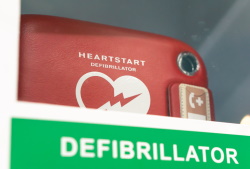
Public Defibrillator Usage: A Lifesaving Skill
Automated Outside Defibrillators (AEDs) are ending up being much more widespread in public spaces-- understanding how to use one can conserve lives!
Steps to Utilize an AED:
Turn on the AED device. Attach pads as shown by representations on pads or gadget screen. Follow voice motivates offered by the AED.Many people think twice as a result of fear of making blunders; nonetheless, these devices are developed with easy to use instructions that direct you with each step.
Hospital Codes and Protocols: What You Need To Know
Understanding hospital codes and procedures can be invaluable during emergency situations-- particularly if you're working within medical care settings or aiding professionals.
Common Health center Codes
|Code|Indicating|| ------|---------|| Code Blue|Clinical emergency situation needing resuscitation|| Code Red|Fire alert|| Code Pink|Youngster kidnapping|
Familiarizing on your own with these codes assists make sure quick interaction during crises.
FAQs Concerning BLS Certification
1. What does BLS certification entail?
Answer: BLS accreditation covers crucial lifesaving methods such as mouth-to-mouth resuscitation, use of AEDs, and exactly how to help choking targets-- all important abilities anyone might require during emergencies.
2. How much time does it take to get certified?
Answer: Most BLS courses take around 4-- 6 hours relying on the company but may differ based upon course size or added elements included in training sessions.
3. Is online training sufficient?
Answer: While online training might offer academic knowledge, hands-on technique through managed sessions is essential for skill retention-- most companies require useful evaluations as component of certification criteria.
4. How commonly do I need recertification?
Answer: Usually every two years; nevertheless, some companies might require more frequent updates based upon changing standards or business policies.
5. Can I take a program without prior clinical knowledge?
Answer: Definitely! Lots of courses cater specifically in the direction of beginners without any healthcare background yet furnish them with lifesaving skills first aid training online necessary for emergencies!
6. Where can I find certified courses?
Answer: Certified programs are offered with numerous companies such as American Heart Association (AHA), Red Cross, or local area universities-- ensure they satisfy nationwide criteria prior to enrolling!
Conclusion
Your path toward making your BLS qualification equips you with invaluable abilities that can suggest the difference between life and death during emergencies! From understanding just how basic vs advanced life support differs significantly down-to-checking responsiveness accurately before continuing further-- each detail matters greatly! By taking proactive actions like becoming familiarized with public defibrillator use along with health center codes/protocols-- you'll not only boost individual self-confidence yet possibly save https://collindyqa047.theglensecret.com/keeping-calmness-throughout-a-crisis-tips-for-bls-responders lives too!
So do not wait any longer; start this rewarding trip today! Be prepared; due to the fact that being able to help others during critical moments really makes all the difference!
First Aid Pro | First Aid Course Perth (RTO 31124) is one of Australia’s leading providers of accredited First Aid and CPR training. We specialise in Basic Life Support, CPR & First Aid, NDIS HISS, AED, and many other accredited courses. Our training is both convenient and comprehensive, combining online and face-to-face learning options to suit your needs. Keep your first aid certificates up to date with same-day certification upon completion. Plus, find a lower price, and we’ll instantly beat it by 10%! Conveniently located at 195 Adelaide Terrace, Perth, WA 6004. Visit our website for course dates, directions and parking details.
First Aid Pro | First Aid Course Perth (RTO 31124) is a nationally recognised leader in First Aid and CPR training. Our Perth training centre delivers accredited courses including CPR, Basic Life Support, AED, NDIS High Intensity Support Skills (HISS), and comprehensive First Aid certifications. We make training flexible and convenient with a blend of online learning and practical, face-to-face classes. Get same-day certification so you can stay compliant and confident in emergencies. Plus, with our Price Beat Guarantee, if you find a lower price, we’ll beat it by 10% on the spot. Located at 195 Adelaide Terrace, Perth, WA 6004, our venue is central, easy to access, and designed for a great learning experience. Visit our website to check course dates, directions, and parking details.